Community event ideas that bring people back, organized the way a calendar runs
By Tully Zeitlin · Published
Community event ideas are easy to list and hard to organize, so this guide does both: the formats that bring people back, grouped the way a working calendar runs, and the steps to organize a community event so it happens again next week. Every format below comes from the working catalog of 150-plus formats across twelve categories we program from, and the organizing method is the one we run at the places we work with: a weekly rhythm people can count on, monthly anchors that spike traffic, and seasonal tentpoles that put a place on the map.
The weekly rhythm: community event ideas people plan around
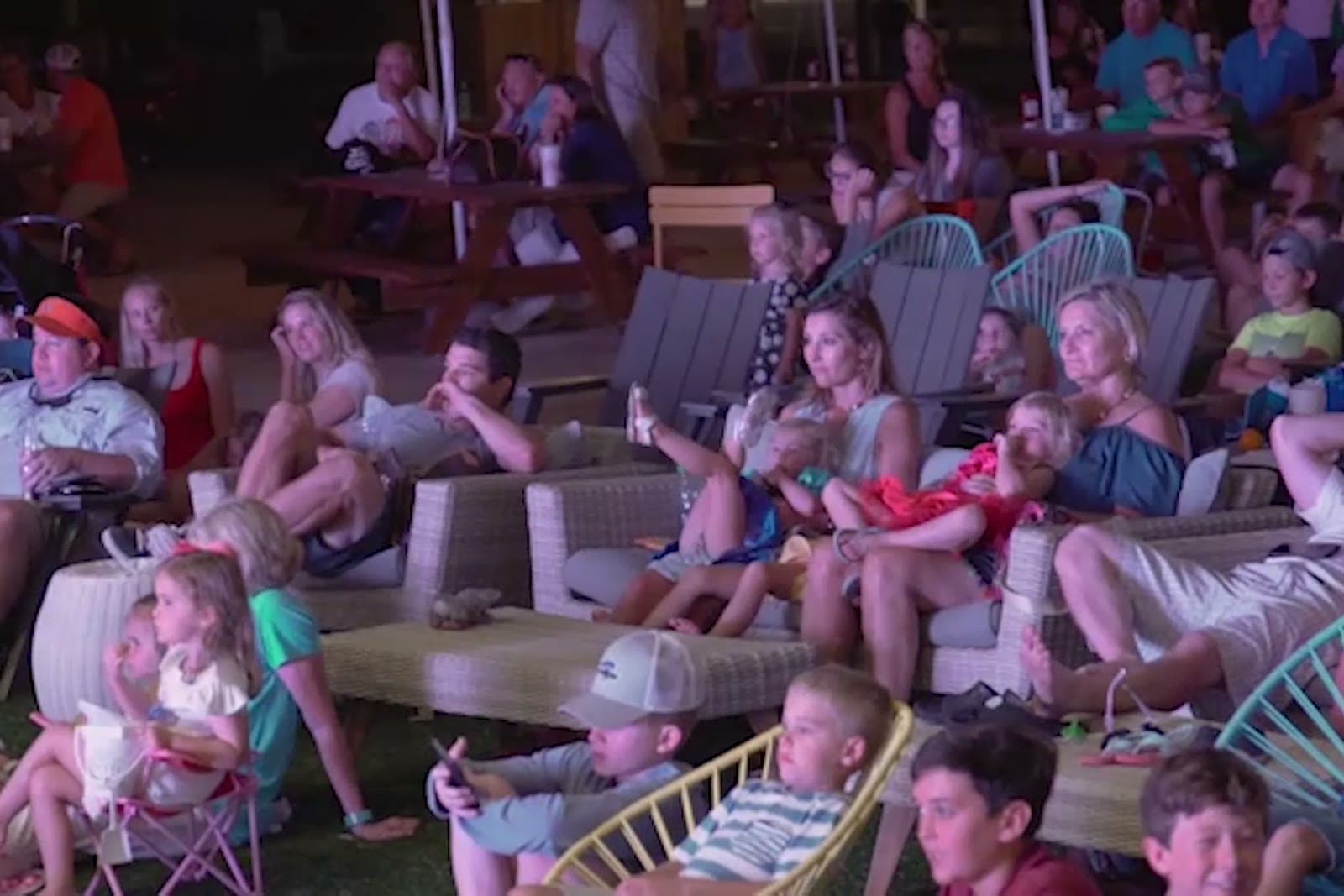
Trivia night on the patio. An acoustic set at golden hour. A run club that ends at the coffee shop. Yoga on the lawn, then brunch. A farmers market on Saturday morning. A family evening with a movie on the green. A game night, an open mic, a karaoke night, a shop-local night. The same night, every week, is what turns a visit into a habit. Each one is small, inexpensive, and placed on the night the place needs it most.
Monthly anchors: the events people put on the calendar
A night market with local makers. A food truck rally. A watch party for the big game. A themed 5K that ends in an after-party. A tribute band night. A kids' craft day. A dog adoption day with the local rescues. A chef pop-up with the restaurant that is already there. One a month is enough; the anchor is the event people put on the calendar in advance, and the weekly rhythm is what they come back to in between.
Seasonal tentpoles: the days that put a place on the map
The spring egg hunt. The Fourth of July. The fall festival. The Halloween trail. The tree lighting and the holiday market. New Year's Eve. One or two a season, and layered. A movie night is never just a movie. It is the feature with a character moment, face painting on the green, and the local businesses paired in. For the biggest of these, see how to plan a festival.
Community engagement ideas: the partners who bring their own crowd
Programming is the first engine: it creates the draw. Community engagement is a second lever. Developing trusted relationships with corporations who bring us their annual traditions, charities who build their biggest nights with us, and schools, academies, and arts organizations whose recitals and showcases need a stage. Those events happen every year. The only question is where.
The ideas on this list come with their own crowd: teacher-appreciation nights, new-family welcomes, the school's recital and the dance academy's showcase, the booster club's team night, benefit nights for the charity the town already supports, toy and coat drives, dog adoption days, first-responder nights, civic celebrations. Think about what one of these is worth to a place. A recital brings every family in the school, and every grandparent with a camera. None of it is traffic you had to win with advertising. And it compounds: the families who came for a recital come back for the market.
How to organize a community event, so it happens again
1. Pick the night and keep it. Weekly beats one-time. The same night every week is what people plan around.
2. Layer it. Three small things on one night beat one big thing: the music, the food, the kids' activity before dark.
3. Pair the local businesses in. Food is programming too. The restaurant on the corner feeds the night, the coffee shop opens early for the run club, and the follow-up after the event asks one question: did it work for you?
4. Find the partner who brings the crowd. A school, a team, a charity, a church, a running club. Those events happen every year; the only question is where.
5. Keep the budget low with partners, not paid talent. Vendors who sell, the markets and the trucks, pay their own way, and partnerships beat paid talent on an ordinary night.
6. Write the run of show on paper. A call sheet for every event day, down to where the vendor sets up and when the water gets to the band.
7. Measure it, and run it again. Attendance, food and beverage, sales, and the growth of your own list. At our own venues the measures were traffic and sales: orders and receipts on programmed days against the days without.
Who runs community events year-round
The ideas are the easy part. The calendar needs to be somebody's whole job: the weekly rhythm booked a quarter ahead, the partners called, the call sheet written, the vendor paid. For an apartment community, that job is described on multifamily. For a city, a downtown or a park system, on cities and municipalities. For a mixed-use project, a center or any property with a public space, it is year-round event programming, planned and run as an operating team behind yours, through the five phases on how event programming works. For the biggest day of the year, see festivals.
Frequently asked questions
What are some examples of community events?
A weekly trivia or acoustic night, a Saturday farmers market, a monthly night market or food truck rally, a watch party, an outdoor movie night, a themed 5K, a dog adoption day, a school recital on the green, a benefit night, the fall festival and the tree lighting. The best ones repeat on a schedule people can count on.
What are some ideas for community outreach events?
The events that come with their own crowd: teacher-appreciation nights, new-family welcomes, the school's recital, the booster club's team night, benefit nights for a local charity, toy and coat drives, dog adoption days, first-responder nights. Each one roots a place in its town and brings people who would not have come for a concert.
How do you organize a community event?
Pick a night and keep it weekly, layer two or three small things on it, pair the local businesses in, find a partner who brings a crowd, keep the budget low with vendors who pay their own way, write a call sheet for the day, and measure it on attendance and sales so you can run it again.
What makes a community event successful?
Repetition and layers. The same good night every week, and a reason to come back on the others. A movie night is never just a movie: it is the feature, the food, the kids' activity before dark, and the restaurant that stays full after.
How do you keep community events affordable?
Partnerships over paid talent. Vendors who sell at the night pay their own way, schools and charities bring their own crowds, and sponsors looking to support the events make the big days bigger. The weekly rhythm is the inexpensive layer; the tentpoles are where the budget goes.
Who should run community events at a property?
Whoever has it as their whole job. Property teams run the property and leasing leases, so the calendar usually falls to nobody. The options are an in-house hire, the property manager on top of the day job, an event producer booked event by event, or a placemaking and event programming company that plans and runs the calendar as an operating partner.
Get in touch.
Tell us about the place. We listen first, propose what fits, and shape the engagement around what you actually need.