The third place: why people need one, and why so many new ones sit empty
A third place is somewhere people gather that is neither home nor work. The sociologist Ray Oldenburg named it in his 1989 book The Great Good Place: the first place is home, the second is work, and the third is the cafe, the pub, the barbershop, the square, the lawn, the stage where a town actually meets. Oldenburg's third places share a few traits. You can walk in without an invitation. They are close enough to visit often. They are unpretentious, and everyone there is on the same level. There are regulars. Conversation is the main activity, and the mood is light.
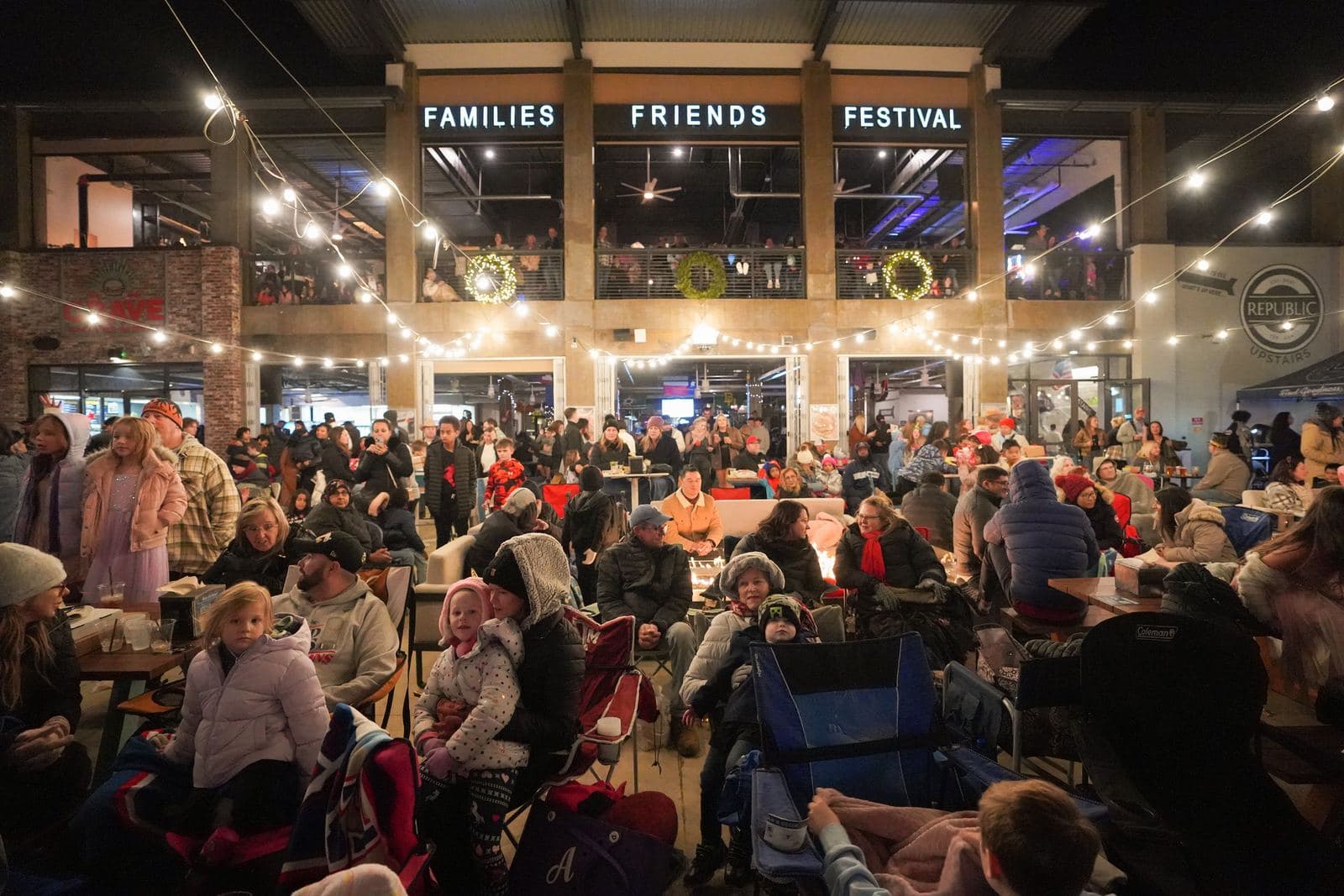
Why third places matter
There is home. There is work. And there is the third place. The place a town actually meets. Most of a person's week belongs to the first two. The third is where a town becomes a town: where neighbors recognize each other, where a teenager has somewhere safe to be, where a dad dances with his daughter at nine at night and nobody is in a hurry to leave.
The third place is also disappearing from daily life, and the numbers are public. The U.S. Surgeon General's 2023 advisory on loneliness and isolation reports that Americans' time with friends in person fell from about 60 minutes a day in 2003 to 20 minutes a day in 2020, while time spent alone rose from 285 minutes a day to 333. For people aged 15 to 24, time with friends fell from roughly 150 minutes a day to 40. Source: Our Epidemic of Loneliness and Isolation, the U.S. Surgeon General's Advisory, 2023.
For an owner, the point is practical. Advertising fades. Experiences stay. People come back to the places where something is happening. A property that is a town's third place is the property people visit on an ordinary Tuesday, and the ordinary Tuesday is the visit that shows up in tenant sales, renewals and rents. The longer argument is on the experience economy.
Third place examples, old and new
The classic examples are the ones Oldenburg wrote about: the corner bar, the diner, the barbershop, the library, the church hall, the main street cafe. The newer ones are being built on purpose, by owners: the lawn at the center of a mixed-use project, the plaza at a lifestyle center, the courtyard of a hotel that locals use, the downtown square a city rebuilt.
A shopping center can be a third place, but only on the days something happens in its common area. On the other days it is a place to buy things. Which brings us to the gap.
The gap: placemakers without a department
Everyone building today calls it placemaking. The lawn gets poured. The stage gets wired. The renderings are full of people. Then the ribbon is cut, and the calendar stays empty. That is not because owners stop caring. It is because nobody on the team has that job. Property teams run the property, leasing leases, and there is no department for Saturday night.
We hear it on nearly every call: a stage that has never been used, a movie night that was rained out once and never re-promoted, a beautiful amphitheater nobody books, an owner who went looking for someone to plug in and could not find anyone. The third place was built. The reasons to be there were not.
A third place needs a design and a calendar, and the calendar is the half most projects leave open. Placemaking covers the two halves in detail, and experiential retail covers the center-scale version.
What fills a third place, week after week
We are that department. You create the place. We create reasons people want to be there. One calendar. Daily call sheets. One point of contact. A department's output, without building the department.
It started with one question: what if a place delivered a festival every day? We created The HUB on 30A in 2014, and expanded to North Dallas in 2022. Eleven years. Thousands of events. Every format. Every audience. Most of them were ordinary nights, which is the point: a weekly rhythm people can count on, monthly anchors that spike traffic, and seasonal tentpoles that put a place on the map.
That is the work The HUB Experience Company now does for other people's places: year-round event programming for real estate owners and developers, run as an operating team behind yours, through the same five phases on how event programming works. Mixed-use owners start here, retail and lifestyle centers here, and cities here.
We are Memory Makers.
Frequently asked questions
What is a third place?
A place to gather that is neither home, the first place, nor work, the second: a cafe, a bar, a square, a lawn, a stage. The term is Ray Oldenburg's, from The Great Good Place, published in 1989.
Who coined the term third place?
The sociologist Ray Oldenburg, in The Great Good Place (1989). The book was revised in 2023 with Karen Christensen.
What are examples of third places?
The corner bar, the diner, the barbershop, the library, the church hall. Newer ones: the lawn at a mixed-use project, the plaza at a lifestyle center, a hotel courtyard locals use, a downtown square, on the nights something is happening there.
Why are third places disappearing?
Two reasons. People spend less time together: the Surgeon General's 2023 advisory reports time with friends in person fell from about 60 minutes a day in 2003 to 20 in 2020. And many of the new places built to be third places have no one whose job is to fill them.
Are malls and shopping centers third places?
They can be, on the days something happens in the common area and people come without a shopping list. Most days they are not. The owner decides which, by what is on the calendar. See experiential retail.
How do you create a third place?
Design one, then run it: a weekly night people can count on, monthly events worth the drive, seasonal moments, and someone whose job it is. Placemaking covers the design half and the programming half.
Get in touch.
Get in touch. We listen first, propose what fits, and shape the engagement around what you actually need.