Restaurant event programming: weak nights, full rooms
The HUB Experience Company plans and runs restaurant event programming for restaurant groups, bars, and the food and beverage tenants of the places it programs. You run the room. We make every night a strong night. We built this as owner-operators of entertainment venues, restaurants and bars over eleven years where every event had to earn its keep.
What restaurant event programming is for
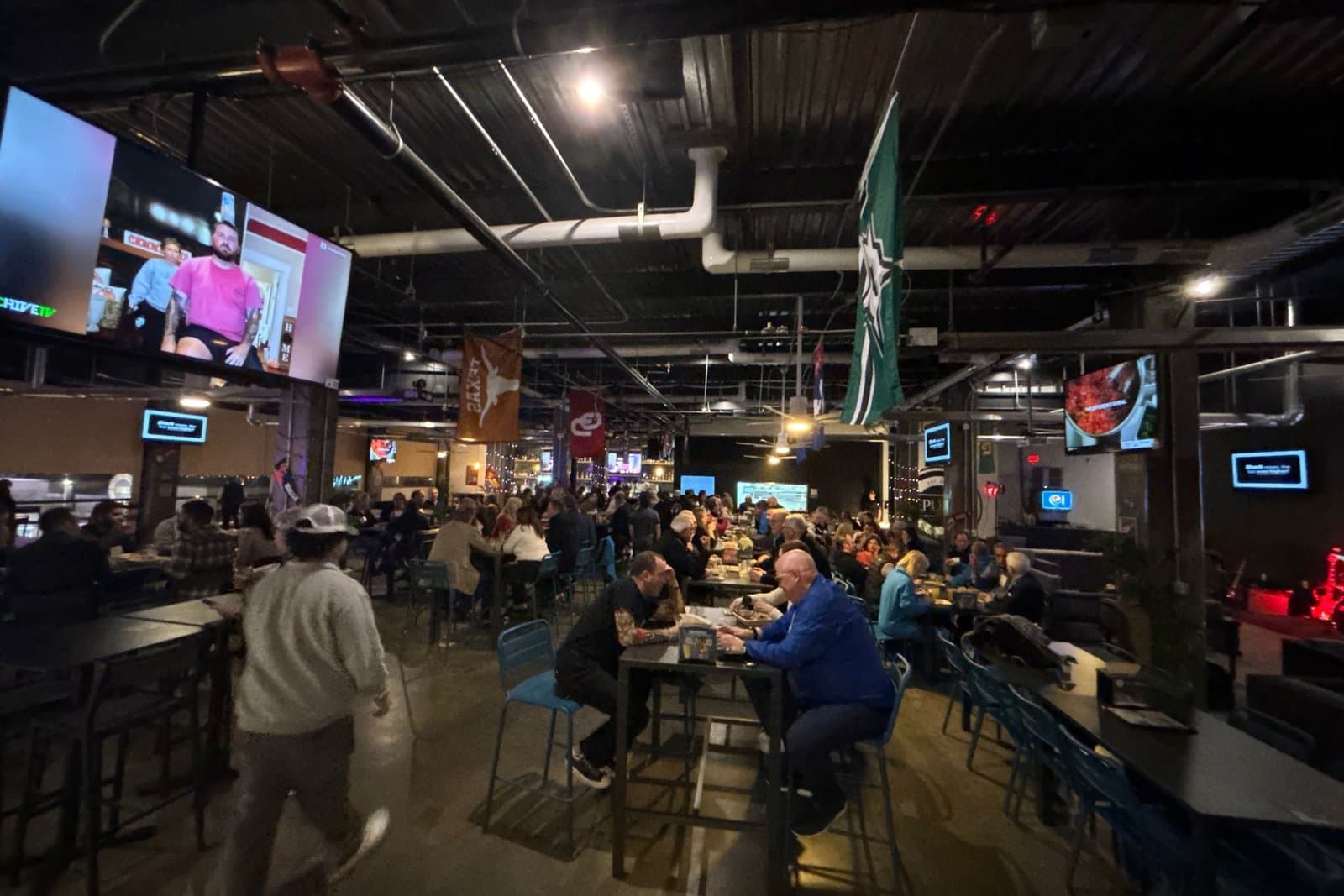
Traffic on your weakest nights, longer dwell, higher spend per guest, and a calendar that fills the room. The program spend is an investment measured in covers and sales, not a marketing line that disappears. Layered, consistent programming drives traffic on the slow nights, repeat visits, and higher covers, plus private-event and catering pull. We end up with nights we own, where the night becomes part of a customer's routine.
Food is programming too
Food is programming too, and your kitchen is the strongest asset on the calendar: pit nights, chef and pitmaster moments, a taco Tuesday built out properly, seasonal menu events, and the collaborations and takeovers that give regulars a reason to come in on a Monday. Food-driven events draw the biggest crowds, and they sell food. Around the food sit the formats that fill a bar on a weeknight: trivia, watch parties in season, singer-songwriter nights, tribute nights, DJ nights, industry nights, and a brunch series on the weekend. The same night, every week, is what turns a visit into a habit.
One calendar across every room
For a group with more than one location, the programming is often good but fragmented, different from store to store. We build one cohesive calendar across the footprint: trivia at one location on Monday and another on Tuesday, a patio series rotating through the locations with the bigger common space, a watch-party circuit in season. That consistency is what compounds repeat visits. One room gets the same architecture at its own scale: a weekly rhythm people can count on, monthly anchors, and seasonal tentpoles.
For the restaurants and bars inside a mixed-use district, a center, or a hotel, the calendar is the property's, and people who come for the music find the restaurants. The food and drink is your revenue, not a cost. See hotels and resorts and retail and lifestyle centers.
Cost-efficient by design
The way we keep it cost-efficient is partnerships over paid talent as much as possible: vendors, makers, and partners who come because we drive traffic to them. The goal on every date is that it pays for itself in covers and sales, the way a good trivia night does, and we cut what does not earn its keep. Because we have owned the restaurants and been the landlord, we understand operations: what things cost, what a Tuesday is worth, and what a kitchen can take on a Friday.
An operating team behind yours
You keep the brand, the menu, the voice, and the final say on every line of the calendar. We carry the work that makes the calendar real: planning, booking, vendor and talent management, the daily run of show, and the follow-through with your managers. Your team stays on its own job. We plan it, book it, and run it from a call sheet, and staff it when you want us to. One calendar, one call sheet, one contact, and a regularly scheduled check-in that fits the cadence of your team's availability. Read how event programming works for the five phases.
Measured in covers
At our own venues the measures were traffic and sales: orders and receipts on programmed days against the days without. The same measure applies to your rooms: covers and sales on programmed nights against the nights without.
Frequently asked questions
Which events fill a restaurant or bar on its slowest nights?
Food-driven events first, because they draw the biggest crowds and sell food: pit nights, chef moments, a built-out taco Tuesday, seasonal menu events. Around them, trivia, watch parties in season, singer-songwriter and tribute nights, DJ nights, industry nights, and a weekend brunch series. The format matters less than the rhythm: the same night, every week.
How do I attract customers to my restaurant on a weeknight?
Give the night a name and keep it. The same night, every week, is what turns a visit into a habit, and a good trivia night pays for itself in covers and sales. Food is programming too, so the kitchen leads and the format sits around it.
Do you work with one restaurant or only groups?
Restaurant groups with several rooms, bars, and the food and beverage tenants of the mixed-use districts, hotels, and centers we program. We keep a deliberately small client list, so the fit is a group or a property with a calendar to run, not a single night.
How do you keep the cost down?
Partnerships over paid talent as much as possible: vendors, makers, and partners who come because we drive traffic to them. Every date has to earn its keep, and we cut what does not.
Is food part of the programming?
Yes. Food is programming too. Food-driven events draw the biggest crowds, and they sell food, which is why the kitchen is the strongest asset on any restaurant calendar.
How do you measure it?
On the numbers you already run on. At our own venues the measures were traffic and sales: orders and receipts on programmed days against the days without. For your rooms it is covers and sales on programmed nights against the nights without.
Get in touch.
Tell us about the room. We listen first, propose what fits, and shape the engagement around what you actually need.