How to create a third place: design one, then give people reasons to come back
By Tully Zeitlin · Published
How to create a third place comes down to two jobs, and the second is the one most projects skip. The first is to design a space people can walk into without an invitation. The second is to give them a reason to come back on an ordinary weeknight, and then another, until they are regulars. This guide covers both, for the owner or developer who wants a property to be a third place rather than a rendering of one.
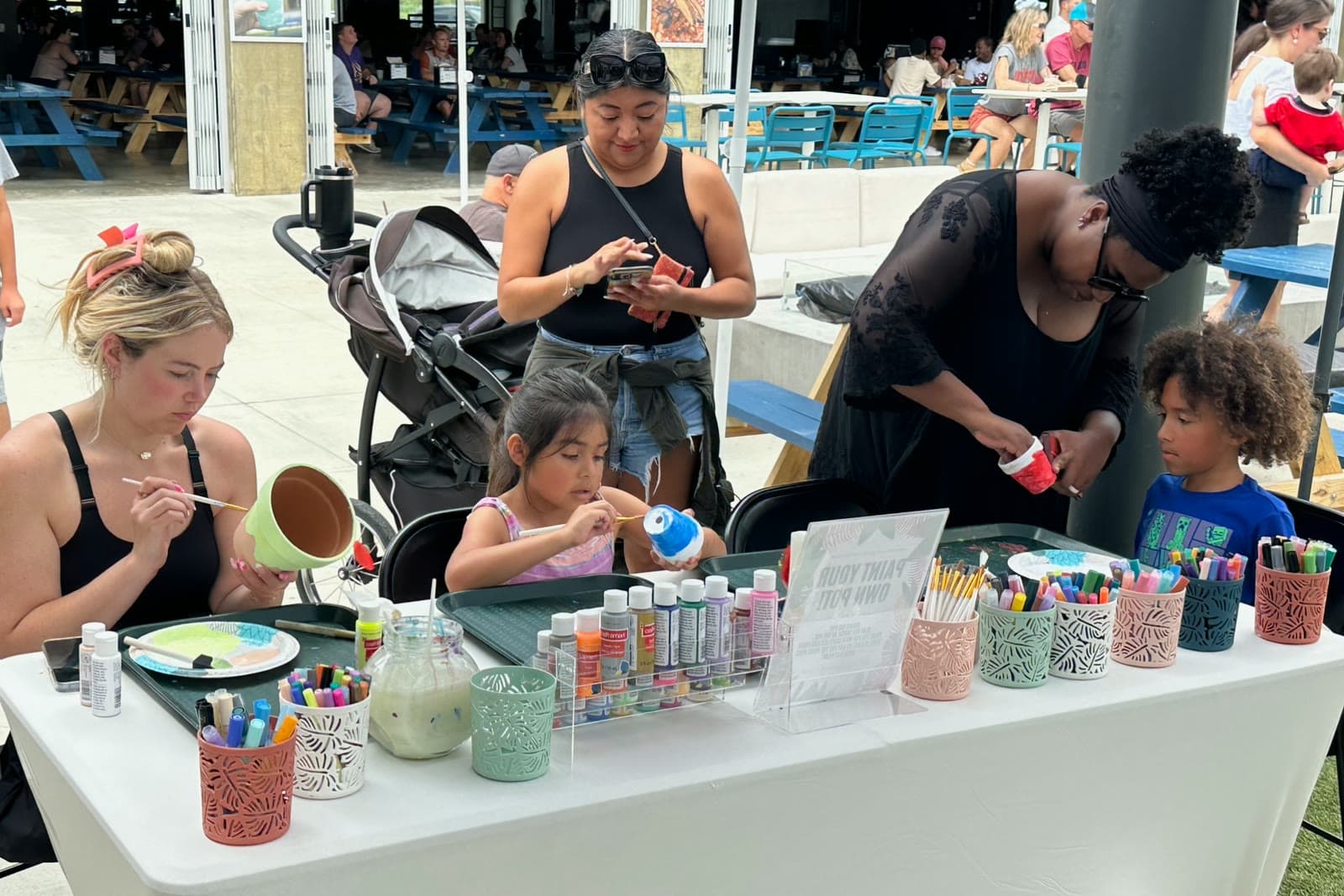
What makes a third place a third place
A third place is somewhere people gather that is neither home nor work. The sociologist Ray Oldenburg named it in his 1989 book The Great Good Place: the first place is home, the second is work, and the third is the cafe, the pub, the barbershop, the square, the lawn, the stage where a town actually meets. Oldenburg's own list of traits is the checklist. A third place is on neutral ground, where nobody is host and nobody is guest. It levels status: everyone there is on the same footing. Conversation is the main activity and the mood is playful. Strangers are welcome, and there are regulars who feel the place is partly theirs. It feels as comfortable as a good home. Design can supply the first two. Only what happens there, week after week, supplies the rest.
Design the third place: the space
Start with where the town already walks. Project for Public Spaces, which has worked on public space since 1975, finds that the places that work share four qualities: they are easy to get to and get through, people are doing things there, they are comfortable and look cared for, and they are sociable, the kind of place people meet each other and bring visitors. For an owner that turns into decisions made before the concrete is poured: a lawn or plaza at the center with the restaurants' patios facing it, a stage with power and water already there, a screen the patios can see, shade and seating nobody has to pay for, and a street that can close for a market. The design question is simple: can a person sit here for an hour without buying anything and feel welcome? If the answer is no, no calendar will fix it.
How to create a third place that lasts: run the calendar
A third place needs a design and a calendar, and the calendar is the half most projects leave open. Every calendar we build stands on one architecture: a weekly rhythm people can count on, monthly anchors that spike traffic, and seasonal tentpoles that put a place on the map, drawn from a working catalog of 150-plus formats across twelve categories, tuned to each property, its tenants, and its seasons. For a third place the weekly rhythm is the whole point: the same night, every week, is what turns a visit into a habit, and a habit is what makes a regular. A movie night is never just a movie. It is the movie, the food vendor, the kids' activity before dark, and the restaurant that stays full after. Food is programming too. Community engagement is a second lever. Developing trusted relationships with corporations who bring us their annual traditions, charities who build their biggest nights with us, and schools, academies, and arts organizations whose recitals and showcases need a stage. Those events happen every year. The only question is where. A town's own traditions, held at your place, are the fastest way to make it the town's place.
Are malls third places?
They can be, on the days something happens in the common area and people come without a shopping list. Most days they are not. The owner decides which, by what is on the calendar. The same is true of the lawn at a mixed-use project, the plaza at a lifestyle center, the courtyard of a hotel and the downtown square a city rebuilt: each is a third place on the nights something is happening there, and a place to pass through on the others. Experiential retail covers the center-scale version.
Who creates the third place after opening
Everyone building today calls it placemaking. The lawn gets poured. The stage gets wired. The renderings are full of people. Then the ribbon is cut, and the calendar stays empty. That is not because owners stop caring. It is because nobody on the team has that job. Property teams run the property, leasing leases, and there is no department for Saturday night. We are that department. You create the place. We create reasons people want to be there. One calendar. Daily call sheets. One point of contact. A department's output, without building the department. Our involvement can range from one season at one property to serving as an embedded operating partner for a property or portfolio, through the five phases of event programming described on how event programming works.
How to tell a third place is working
Regulars. The same faces at the same tables on the same night, and new ones beside them. On the owner's ledger it reads as visits that become habits, longer dwell, tenant sales on programmed days against the days without, and the growth of your own list. Measured, not modeled. The longer argument for why that matters to a property is on the experience economy, and the design half is on placemaking.
Frequently asked questions
What are the characteristics of a third place?
Neutral ground, where nobody is host or guest; a level footing for everyone there; conversation as the main activity and a playful mood; strangers welcome and regulars who feel the place is partly theirs; and the comfort of a good home. The list is Ray Oldenburg's, from The Great Good Place.
Can a developer create a third place?
Yes, in two halves. Design a space people can sit in without buying anything, then run a calendar with a weekly night people can count on, monthly events worth the drive, seasonal moments, and someone whose job it is.
Are malls and shopping centers third places?
They can be, on the days something happens in the common area and people come without a shopping list. Most days they are not. The owner decides which, by what is on the calendar.
Why do so many new third places sit empty?
Because the design was funded and the calendar was not. Nobody on the team has the job of Saturday night: property teams run the property and leasing leases.
Who runs the calendar at a third place?
Whoever is given the job: an in-house department, the property manager, an event producer, or a placemaking and event programming company. The HUB Experience Company is a placemaking and event programming company for real estate owners and developers.
How do you measure a third place?
By its regulars, and on the numbers the owner already runs the property on: visits, dwell time, food and beverage, tenant sales, leasing and renewals.
Get in touch.
Tell us about the place. We listen first, propose what fits, and shape the engagement around what you actually need.