How to get sponsors for an event at your property: the order that works
By Tully Zeitlin · Published
How to get sponsors for an event comes down to an order most guides reverse. Build the crowd first, then the package, then the ask. Sponsors notice the crowds and come looking to support the events. A single night with no history is a hard sell; a named series with a season of dates and a crowd that shows up every week is an easy one. This guide covers who sponsors a place's events, where to look, how to ask, what to offer, and how to keep a sponsor for next season. What a package is made of is on sponsorship packages, and the case for the whole subject is on event sponsorship.
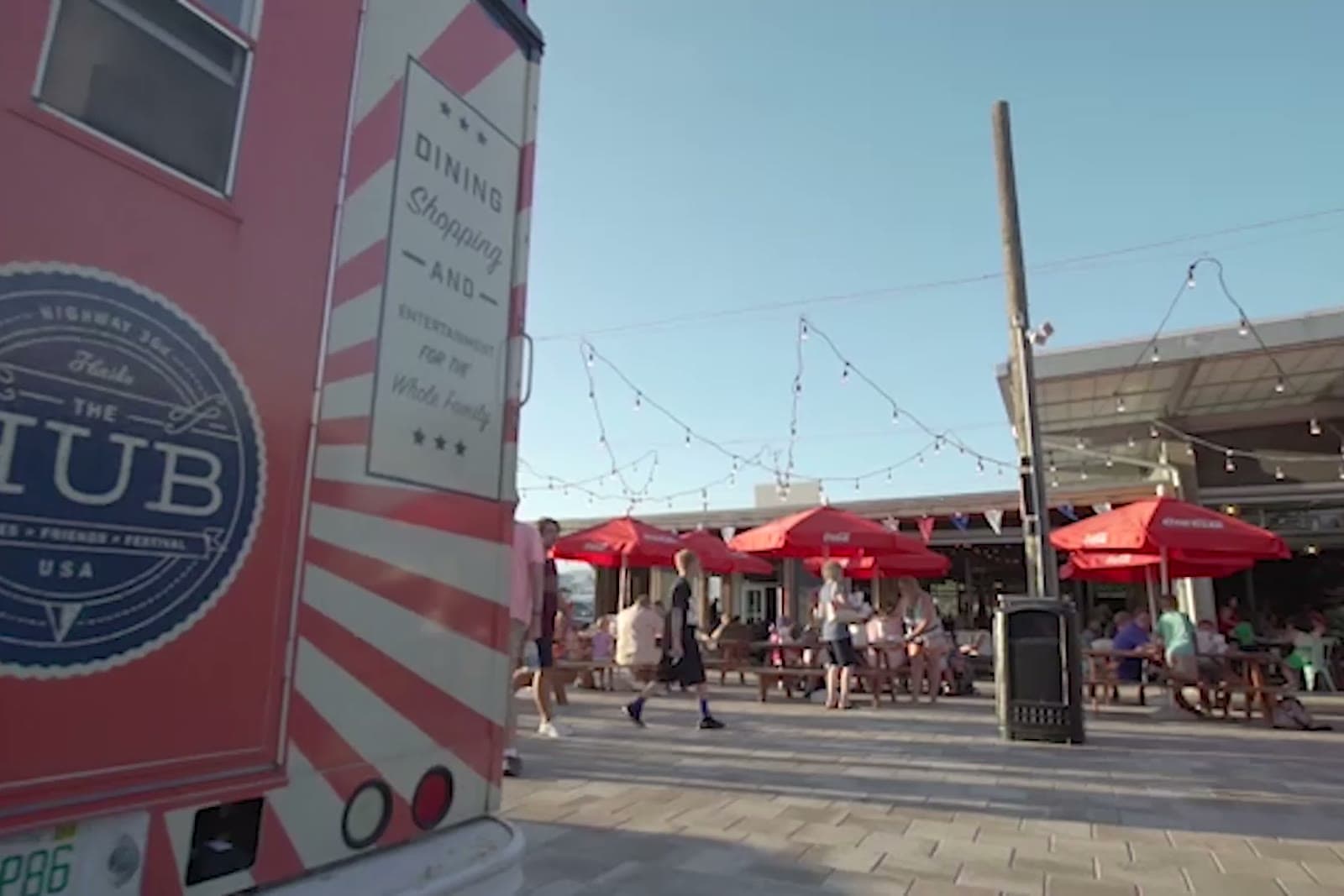
Who sponsors events at a place
Start with the businesses that already profit from the crowd: the tenants and the shops and restaurants around the property. Then the regional brands with a local marketing budget and a reason to be in front of families on a weeknight: beverage brands, within the rules that apply to alcohol in your state; banks and credit unions; hospitals and health systems; auto dealers; realtors and home services; the city's tourism partners. Then the brands already on the festival's banner and the team's jersey in your town, because they have decided to sponsor and are choosing where. Brands looking to support the events in front of a reliable crowd: sponsor-titled series, holiday partnerships, product moments.
The order that works
1. Build the calendar first. A weekly rhythm people can count on, monthly anchors that spike traffic, and seasonal tentpoles that put a place on the map. Sponsors notice the crowds and come looking to support the events.
2. Count the crowd honestly. Attendance on programmed days against the days without. Measured, not modeled. A number a sponsor can check is worth more than a projection it cannot.
3. Build the package from the calendar. The asset, the dates, what the sponsor can do on site, where the name appears, the level.
4. Start inside the property. The tenants and the neighbors first. They have seen the crowd, and a tenant's own night with a sponsor's name on it is the easiest first yes.
5. Ask for a conversation, not a check. Invite the brand's local marketing lead to the property on a programmed night. A sponsor who has stood on the green rarely needs the deck.
6. Offer a real experience, not a logo. Sponsors want a real experience to attach to, not a logo placement. The tent, the sampling, the photo moment, the thing the crowd can do. That is the sponsor's activation, in the industry's sense, and it is what the sponsor is really asking for.
7. Say yes to in-kind. The vehicle for the family day, the ice for the festival, the hot cocoa for the holiday night. A partner who brings what the night needs is a sponsor.
8. Sign a season, not a night. A series with dates is a relationship; a single night is a transaction.
9. Deliver the night on paper, then ask one question. A detailed call sheet for every event day, down to where the sponsor's tent sets up and when the water gets to the band. After the night: did it work for you?
10. Renew before the season ends. Bring the count from the season and the next season's dates to the same person who said yes.
How to ask for sponsorship for an event
The ask is one page and one visit. The page carries the property and its crowd, counted; the calendar and the dates; the one asset you think fits the brand and why; what the sponsor can do on site; where the name appears, on the series wherever the owner's own channels carry the calendar; the ask; and the owner's approval. The visit is a programmed night, so the brand's local lead sees the crowd rather than reads about it. The note that gets the visit is short: who you are, the crowd number, the one asset, and a night to come and stand in it.
The four types of sponsorship
Financial sponsors support an asset with money. In-kind sponsors bring the product or service the night needs. Media sponsors carry the calendar on their own channels, a station, a paper or a local publisher, in return for a presence at the nights. Promotional partners bring their own crowd, the way a school, a team or a charity does, and get a presence in return. A season usually holds all four, and the in-kind and promotional partners are often the ones who make the biggest days possible.
Who should sell it
Selling sponsorship is a different skill from running the calendar, and an events hire rarely sells it, so the sponsor line at most properties waits for a second hire or never opens. At the properties we run, sponsor and partner development is part of the monthly programming work, alongside the quarterly calendar planning and booking, the daily call sheets and the event production, so the sponsor conversation starts with the calendar. You approve every sponsor on the calendar. We are not a marketing agency, and we do not run campaigns. A brand's own case for being at a programmed place is on brands, the festival version on festivals, and the calendar the sponsors come to is year-round event programming.
Frequently asked questions
How do I ask for sponsorship for an event?
With one page and one visit. The page carries the property and its crowd, counted, the calendar and the dates, the one asset that fits the brand, what the sponsor can do on site, where the name appears, the ask, and the owner's approval. The visit is a programmed night, so the brand's local lead stands in the crowd instead of reading about it.
What are the four types of sponsorship?
Financial, in-kind, media and promotional. Financial sponsors support an asset with money, in-kind sponsors bring the product or service the night needs, media sponsors carry the calendar on their own channels, and promotional partners bring their own crowd.
When should you start asking sponsors?
After the calendar exists and the crowd has been counted, and for next season rather than next month. Brands set local budgets ahead of the year, so the ask that lands is for the season after this one, with this season's count in hand.
What do sponsors want in return?
A real experience in front of a reliable crowd, not a logo placement: the tent, the sampling, the photo moment, the thing the crowd can do, and a season of dates to do it on. Industry-reported figures put in-person experience at three to eight times the memorability of digital advertising, and that is what the sponsor is there for.
Can a small property get sponsors?
Yes, in the right order. Start with the tenants and the businesses around the property, say yes to in-kind, and sign a season rather than a night. Sponsorship follows the crowd, so a small property with a weekly night that fills is a better ask than a large one with an empty lawn.
Who sells the sponsorships at a programmed property?
At the properties we run, sponsor and partner development is part of the monthly programming work, so the conversation starts with the calendar rather than after a second hire. The owner approves every sponsor on the calendar.
Get in touch.
Tell us about the place. We listen first, propose what fits, and shape the engagement around what you actually need.