How do cities make money from events? Sales tax, hotel tax and spending that stays in town
By Tully Zeitlin · Published
How do cities make money from events? Cities make money from events because events bring visitors and spending, and that spending increases tax revenue: the sales tax on what visitors spend, the hotel tax on where they sleep, and the fees for permits, parking, vendors and facilities on event days. An event's fiscal value is the spending it moves into town and keeps there. This article covers the events chapter only. The figures come from Americans for the Arts, cited below, and we claim no fiscal expertise. What we do for a city is on cities and municipalities.
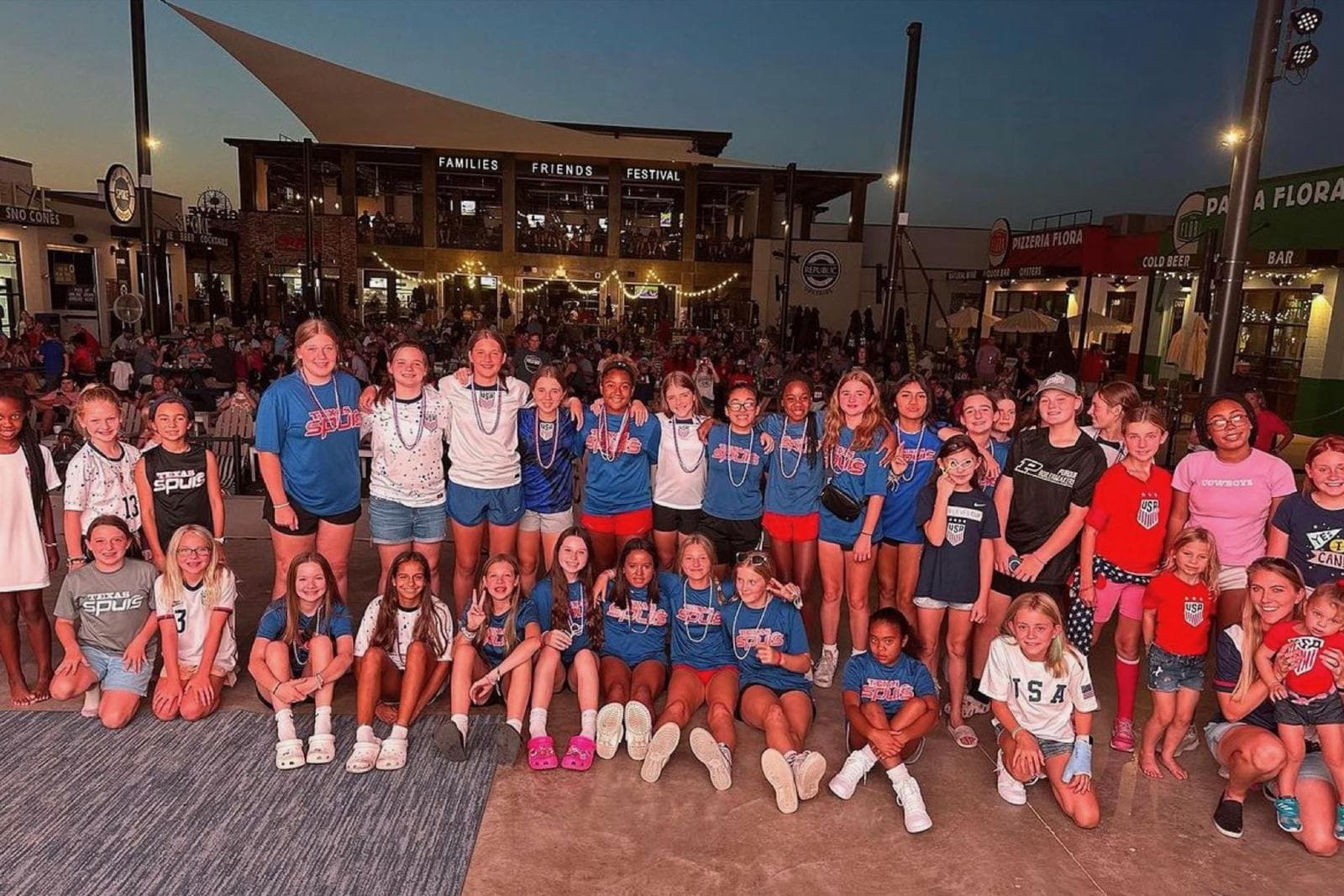
How do cities make money from events?
Events reach the city's ledger through four doors.
The sales tax on the spending an event moves into town. In Americans for the Arts' Arts and Economic Prosperity 6 study of 373 regions in 2022, attendees at nonprofit arts and culture events spent $38.46 per person per event beyond the cost of admission, and the 30.1 percent who traveled from outside the county spent an average of $60.57. Nationally those organizations and their audiences generated $29.1 billion in tax revenue to local, state and federal governments. The study covers nonprofit arts and culture, so a downtown market or a concert series will count differently, but the mechanism is the same: dinner, parking and the shop next door, taxed where they happen.
The hotel tax on where visitors sleep. When an event brings visitors from out of town, the hotel tax follows them, because a weekend event is what fills the rooms.
Charges and fees. Permits, vendor fees, parking, facility rentals and concessions are charges the city collects itself. On an event day they are the line the city controls directly.
Spending that stays in town. Retail leakage is the share of residents' spending that goes to other towns. A Friday night with something on downtown keeps dinner and the errand in town, and that is sales tax the city would otherwise have lost, not new money it had to attract.
One festival or a calendar
One festival a year brings one weekend of hotel nights and one spike in the sales tax. A year-round calendar is a different fiscal object: a weekly rhythm people can count on, monthly anchors that spike traffic, and seasonal tentpoles that put a place on the map. The outcomes a city buys from it are sales-tax retention, residents who stay in town, regional draw, and a downtown that is a destination, not a detour. We work alongside parks and recreation and the downtown office on a series or a full season, and the city sees a scope it can put in front of council. We publish no price. How the calendar is planned and run is on event programming.
How to count it
Count what the calendar produces: attendance, vendor sales, hotel nights on event weekends against the same weekends a year earlier, and sales-tax receipts by month from the city's own revenue office. When the number has to stand up in council or in a bond document, hire an economist for a formal study. We do not sell impact studies, and the economic impact of events guide says when one is worth paying for and what data a calendar produces for it.
Frequently asked questions
How do cities make money?
The chapter we can speak to is events, and events increase a city's tax revenue. Visitors spend on dinner, parking and the shop next door, and that spending is taxed where it happens; where they stay overnight, the hotel tax follows; and permits, vendor fees and parking are collected on event days. How a city funds the rest of its budget is a question for its finance office, and this article covers the events chapter only.
How do events increase a city's sales tax revenue?
By moving spending into town and keeping it there. Event attendees spend beyond the ticket, $38.46 per person per event in Americans for the Arts' 2022 study, and visitors from outside the county spend more, $60.57. Dinner, parking and the shop next door are taxed where they happen, and a calendar makes that happen every week rather than one weekend a year.
How do you increase revenue in local government?
Events are one way. A full calendar moves taxable spending into town, fills rooms on weekends and keeps residents' spending from leaking to the next town over. The rest of the answer belongs to the city's finance office, and we claim no fiscal expertise.
What is retail leakage?
The share of residents' spending that goes to other towns. A downtown with nothing on at night leaks its own residents' dinners, and a calendar is one of the few ways a city can bring that spending back without building anything.
KEEP READING