The economic impact of events: what a city can count, and how
By Tully Zeitlin · Published
The economic impact of events is what visitors and residents spend because the event happened, counted at the businesses around it and in the tax revenue that follows. A city can count most of it with the data it already has, and should pay for a formal economic impact study only when a decision is large enough to need one. This guide explains what gets counted, how a study counts it, when to commission one, and what a year-round calendar does that a single study cannot show. We do not sell economic impact studies; we produce the attendance and sales data a study needs.
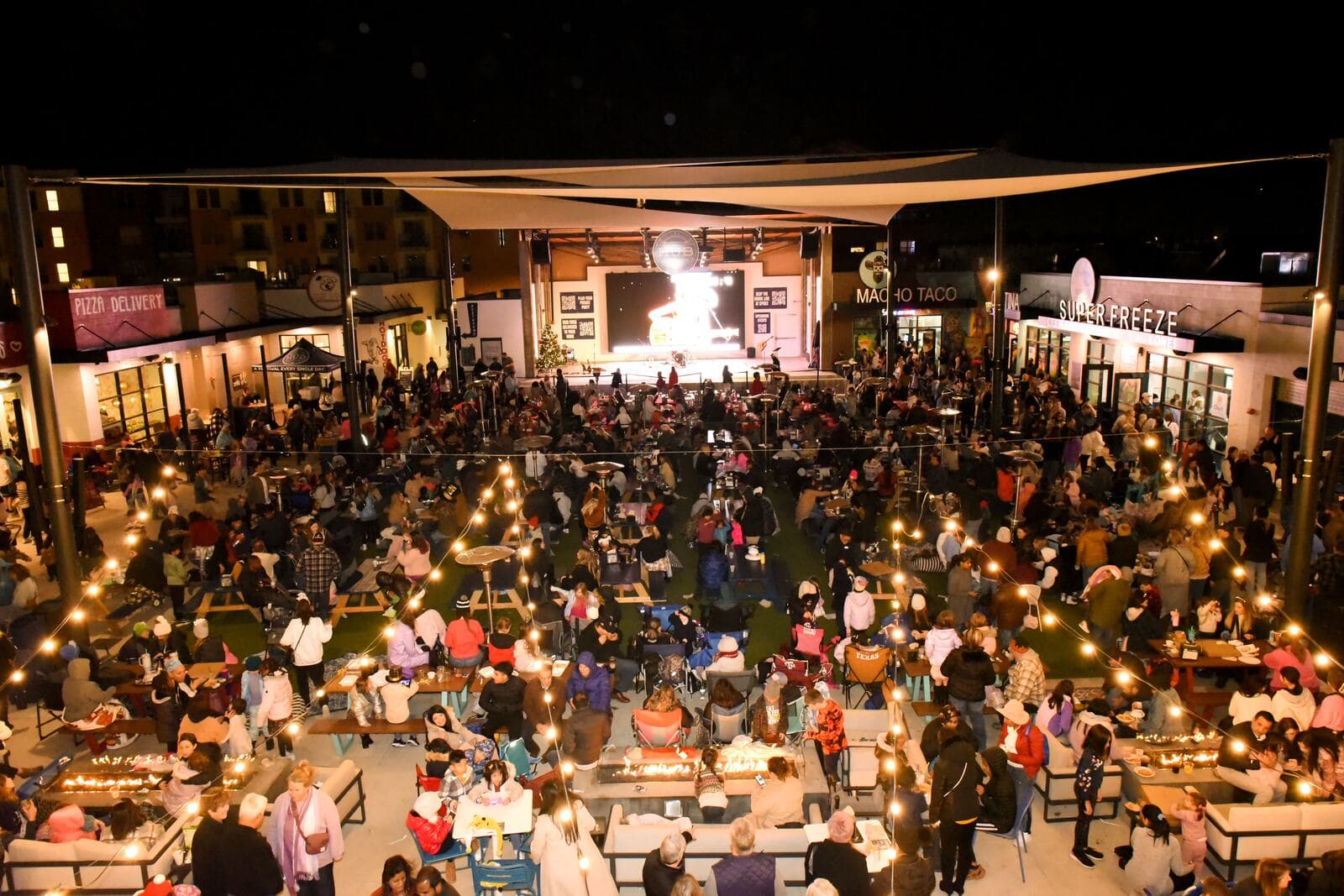
What counts as the economic impact of events
Start with the spending that would not have happened without the event: meals, drinks, parking, retail, and a hotel night for anyone who came from far enough away to stay. Americans for the Arts' sixth Arts and Economic Prosperity study, released in 2023 from 2022 data gathered in 373 communities, found that attendees at nonprofit arts and culture events spent a national average of $38.46 per person per event, and that nonlocal attendees spent $60.57. Those are arts figures, and a city's own events will differ, but the two categories are the ones that matter: the spend beyond the ticket, and the share of it that came from out of town. Then there is the activity the event supports indirectly: the vendors who bought supplies, the staff who were paid, and the money they spent in turn. And there is what the event does to the city's numbers over time: attendance, tax revenue, and the vitality of a downtown people have a reason to visit.
What an economic impact study measures
An economic impact study estimates the direct spending from attendee surveys and vendor reports, then uses a regional input-output model to estimate what that spending supports in jobs, income, output and taxes. IMPLAN is one such model, used by consultants and university research centers; the study's quality rests on the survey underneath it, which is where the attendance counts and the spending estimates come from. The careful studies also subtract: spending by residents who would have spent the money in town anyway, and spending that leaves town with an out-of-town vendor. Research centers publish calculators that give a rough scale from attendance and spend per head, and they are fine for a first look.
When an economic impact study is worth paying for
When the decision is big enough to need it: a multi-year commitment to a festival, a bond or grant application, a council vote with a dollar figure attached, or a dispute about whether an event is worth the street closure. Hire an economist for it, through a consultancy or a local university's research center, and give them real data: gate counts or crowd estimates with the method stated, vendor sales, hotel occupancy on the event dates against comparable dates, and a short attendee survey with a home zip code on it. For an ordinary weekly series, do not pay for a study. Count what you can count: attendance, sales at the businesses around the event on programmed days against the days without, and the city's own tax revenue over the season. Reported against the numbers the city already watches: attendance, visits, local business activity, and resident feedback. Measured, not modeled.
What a year-round calendar does that one study cannot
One festival a year puts a city on the map for a weekend. A calendar keeps it there. Every calendar we build stands on one architecture: a weekly rhythm people can count on, monthly anchors that spike traffic, and seasonal tentpoles that put a place on the map, drawn from a working catalog of 150-plus formats across twelve categories, tuned to each place and its seasons. For a city, the return is visible. More visits. Longer stays. Higher sales at local businesses and the tax revenue that follows. Residents who feel the city is theirs. Families who choose to live there. Programming is how public spaces earn the investment that built them. A study measures a weekend; the city's own numbers measure a year. How events fit a city's revenue is on how cities make money from events; why residents stay is on quality of place; and the downtown case is on downtown revitalization. We plan and run that calendar for the cities and municipalities we work with, through the same five phases of event programming we run everywhere.
Frequently asked questions
How do events impact the economy?
Through what people spend because the event happened: meals, drinks, parking, retail and hotel nights at the businesses around it, and the tax revenue that follows. A weekly calendar does that every week; a festival does it for a weekend.
What is an economic impact study?
An estimate of the direct spending an event caused, from attendee surveys and vendor reports, run through a regional input-output model such as IMPLAN to estimate the jobs, income, output and taxes that spending supports.
When should a city pay for an economic impact study?
When a decision is large enough to need one: a multi-year festival commitment, a bond or grant application, or a council vote with a dollar figure attached. For a weekly series, count attendance and local sales on programmed days against the days without instead.
What data does an economic impact study need?
Attendance with the counting method stated, vendor sales, hotel occupancy on the event dates against comparable dates, and a short attendee survey that records where people came from and what they spent.
Do events increase tax revenue?
Yes. Residents who go out at home instead of in the next town, and visitors who drive in for what is happening, spend at local businesses, and the tax revenue follows.
What is the economic impact of music festivals?
It is counted the same way: the spend beyond the ticket, the share that came from out of town, and the hotel nights. The figure depends on the festival, so ask for a study's survey method before trusting its total.
Get in touch.
Tell us about the city. We listen first, propose what fits, and shape the engagement around what your council can approve.